
Common Microwave Failures and DIY Troubleshooting Steps
When a microwave seems to not be working properly, what is going to be your initial reaction? Frustration likely sets in, and you probably think like most people and plan to throw it away and get a new one. While there are budget-friendly models available, if you can find a way to quickly repair the microwave on your own, you can save yourself the expense and the hassle of a service call.
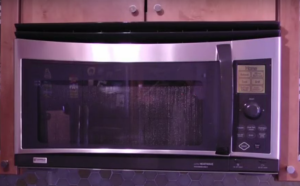
If you have a high-end convection or over-the-range microwave oven, replacing it is a significant investment. Learning about common service issues can help you perform your own troubleshooting and determine if a simple part replacement can restore your appliance to full functionality.
Microwave Not Heating Food
Have you ever put something in the microwave to see the lights on and the timer counting down, yet your food remains ice cold? This is a common issue typically linked to the high-voltage system. Potential culprits include a failed high-voltage diode, a faulty capacitor, or a damaged magnetron—the part responsible for generating the actual microwaves. Because these components can hold a lethal electrical charge even when the unit is unplugged, extreme caution is required during diagnosis.
Turntable and Control Issues
If your food heats up but the turntable refuses to spin, your meals will likely have cold spots. This is often caused by a worn-out turntable motor or a broken drive coupling. Similarly, if the touch buttons or knobs fail to respond, the issue may be a defective membrane switch or a failing control board. While the microwave may still technically “run,” these usability issues make it frustrating for daily use.
Unusual Noises or Sparks
A microwave that needs fixing might also emit loud humming, buzzing, or grinding noises. A bad fan motor or an aging magnetron can produce these sounds. If you see sparks inside the unit (arcing), immediately stop the cycle. This could be due to food particles on the waveguide cover or a chipped internal rack. In some cases, slamming the door can damage the sensitive door interlock switches, causing the unit to stop working entirely for safety reasons.
Summary of Components to Check:
- Door Switches: The most common reason a unit won’t start; these ensure the door is securely closed.
- Blown Fuses: Check the main power fuse or the thermal cutoffs if the unit has no power at all.
- Fan Motor: If the unit overheats and shuts off, the cooling fan may be failing.
- Diode and Capacitor: These help power the magnetron to produce heat.
After diagnosing these problems, you might find that you’re better off buying a new microwave. However, knowing the specific fault helps you decide if it’s worth hiring a local repair company for a quick fix. If you are dealing with more complex electrical issues, see our guide on addressing electronic control faults. For more appliance care tips and safety guides, visit our homepage.