
Troubleshooting and Repairing Common Microwave Oven Issues
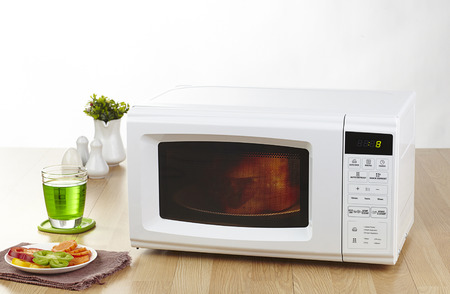
If there is a problem with your microwave, can you repair it without getting professional help? Getting help from a microwave oven repair technician can be a bit expensive, but for your safety and the safety of your loved ones, it is best to get help from a professional. However, if you still want to save a few dollars, here are a few tips to help you:
Before You Start Repairs
If your microwave isn’t working, you can start by locating the user manual that comes with the home appliance. If you have lost or misplaced the manual, you can visit the manufacturer’s website to download a digital copy. Once you have the manual, you can use it to identify the specific parts responsible for problems in your household appliance.
No Power Supply
There are several parts that can be responsible for a lack of power. You can start by checking if the fuse is blown. Fuses are designed to prevent sudden electrical power overages from damaging your house appliance. At times, the circuit breaker may trip, which could prevent the machine from starting. If these two parts are in perfect condition, you may have to call a professional, as it could be a major problem with the house wiring or the internal control board.
No Heat
One of the components that facilitate electric flow in the microwave is the diode. If the diode is damaged, it can cause the microwave to stop heating even if it appears to be running. To check the condition of the diode, you must first disconnect the power supply to the residential appliance. You must then safely discharge the capacitor, as it stores high-voltage electrical energy even when unplugged. Check the condition of the diode and replace it if it is damaged.
Sparks Inside the Machine
If you notice sparks inside the machine, you must first take steps to clean the cooking area of the appliance. At times, food and grease can get stuck to the walls and ceiling, which can carbonize and create sparks. If you notice sparks after you have cleaned the machine, the stirrer or the motor could be the culprit.
To check the condition of the stirrer, you must remove the rear exterior panel of the appliance. Once you remove the panel, visually inspect the condition of the stirrer belt for signs of wear and tear. Any worn-out belt must be immediately replaced. At times, a problem with the fan motor could also be responsible for sparking. To check the condition of the motor and carry out these high-risk repairs, it is best to call a professional.
Other Malfunctioning Parts
Burned Out Bulb: Use the manual to locate, remove, and replace the bulb. If the bulb remains unlit after replacement, you must check the condition of the main electrical board.
Turntable Issues: If the turntable does not rotate, clean the cooking area before dismantling the machine. Debris buildup can often jam the rotation. If cleaning does not help, you must check the condition of the drive bushing and turntable motor.
Final Thoughts
Minor problems with home appliances can sometimes be addressed without professional help. However, for major electrical problems, it is best to get help from an expert. Today, there are many qualified technicians—from a fridge repairman to a dryer service technician—who are willing to visit your home to repair your broken appliance.
If you are dealing with complex electrical failures, review our guide on troubleshooting compressor issues and similar high-voltage components. For more appliance repair guidance, visit our main resource page.