
Troubleshooting a Washing Machine That Does Not Spin
Can you imagine a day when the most hardworking household appliance stops working? Yes, I am talking about the washer. When the washing machine malfunctions, dirty clothes keep piling up. If you don’t take steps to deal with the problem, it could upset your daily routine. One of the easiest ways of dealing with the problem is by calling a washer technician. However, if you want to save a few bucks, you could try to repair the machine without getting help from a washer repairman.
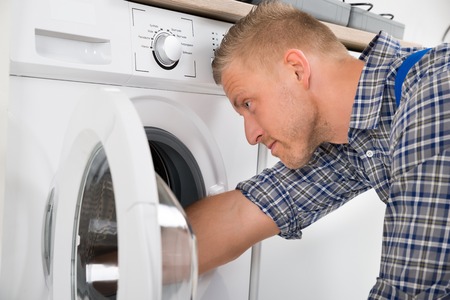
One of the problems that you are likely to face is that the washer does not spin. In this article, we have given details of parts that are likely to cause this problem and what you can do to troubleshoot the issue.
Motor Coupling
Most top-loading machines use a coupling to transfer power to the transmission. The coupling, which connects the transmission to the motor, consists of drive forks with a rubber coupling between them. Regular use of the machine can wear out the coupling, which can cause the forks to slip, preventing it from engaging the clutch and transmission. When the coupling fails, the machine will fill and drain water, but it will not spin or agitate. To gain access to the coupling, you must remove the cabinet. Make sure you disconnect the power supply to the machine before you attempt to repair the coupling.
Door Lock Assembly
The door lock prevents the door from opening when the machine is in operation. The assembly includes a strike on the machine door and a locking mechanism on the body of the appliance. It also contains a door switch that sends an indication to the timer or control board when the door is locked. When there is a problem with any of these parts, the control board does not receive an indication that the door is locked, and the machine will not spin.
Wax Motor
When the spinning cycle starts, the circuit supplies electric current to the wax motor, which pushes a pin out to lock the door. When the wax motor malfunctions, the door will not close, and the machine will not spin. If you suspect the wax motor is the problem, you can check its condition using a multi-meter. The motor should typically have a resistance of 1400 to 1800 ohms.
Lid Switch
This switch prevents the spin cycle from starting when the lid is open. If this switch fails, the motor circuit will not operate. A pin is attached to the cover which actuates the switch when the door is closed. If the tub is not rotating when the lid is closed, you must check the condition of the switch using a multimeter.
Clutch Assembly
This assembly locks the transmission input shaft to the machine’s drive basket during the spinning cycle. Regular use of the device can cause the clutch to wear out, which can create a scraping sound. A worn-out clutch will prevent the machine from spinning or reduce the spin speed, leaving clothes wet after the cycle. You might also notice a slight burning smell from underneath the machine. The clutch is located under the outer tub and is usually attached to the drive assembly.
Drive or Spin Belt
The drive belt connects the drive motor to the transmission or the wash basket. If the machine does not spin, you should inspect the belt for signs of damage or overheating. Before replacing the drive belt, check the belt tension using the idler pulley and look for evidence of water leakage in the pulley area. Always disconnect the power supply before replacing the belt.
Using this exhaustive list of parts, you should be able to identify what is preventing your machine from spinning. However, if these steps do not help, you should consult a professional.
If you need expert help with diagnosing spin cycle failures, our team is ready to assist. For further DIY repair considerations, visit our homepage.