
Common Symptoms of Washing Machine Failure
It does not matter whether you own a Maytag from the late 1990s or the latest LG front-loading washer. At some point, your washing machine will need to be repaired. However, just because you hear a strange sound during the occasional wash cycle, it does not always mean you need to spring for a repair. Understanding which symptoms are critical can save you from a major flood or a total appliance breakdown. Here are the indicators that you should get your machine looked at by a professional.
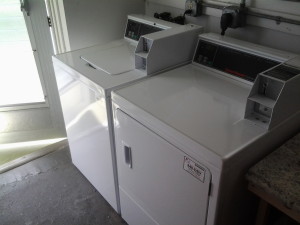
Washing Machine Stops Spinning or Agitating
If the spin mechanism has stopped working, the issue is often visible during the cycle. Sometimes a small item like a sock can become stuck in the pump or between the tubs. Always ensure the machine is completely turned off before opening the lid or reaching in to check for obstructions. If no blockage is found, the culprit is likely a faulty lid switch, a broken drive belt, or a failing motor. Since these involve high-voltage components and internal drive systems, a professional diagnosis is recommended.
Unusually Loud Noises During Operation
Every washer makes some degree of noise, but constant, unusually loud sounds are a cause for concern. A grinding or roaring noise during the spin cycle often indicates that the tub bearings have worn out. This is a complex repair that involves disassembling the outer tub. A loud noise can also point to a problem with the drum spider arm or a failing shock absorber. Addressing these sounds early prevents the drum from becoming misaligned and causing permanent damage to the machine’s frame.
Excessive Shaking and Vibrating
While some vibration is normal, a machine that bounces or “walks” across the floor indicates a serious imbalance. If you have moved your washer recently, ensure it has been properly leveled using a bubble tool. If the machine is level but still shakes, one of the suspension springs or shock absorbers may have snapped or come loose. Operating a machine in this condition puts immense strain on the motor and transmission, leading to more expensive repairs down the line.
Visible Water Leaks
If your washing machine ever starts leaking, you should call for a technician immediately. Water and electricity are a dangerous combination. Leaks can originate from a cracked drain pipe, a loose internal hose, or a failing door seal on front-loading models. Even a small “drip” can lead to significant floor damage and mold growth. A technician can identify the exact source of the leak and replace the faulty seal or hose to restore the unit’s integrity.
Other Common Washer Issues Include:
- Device not starting or unresponsive controls
- Timer not advancing through cycles
- Overfilling with water or failing to stop the fill
- Burning smell emanating from the motor or belt
- The unit filling and draining water simultaneously
- The door or lid remaining locked after the cycle ends
Washing machines are hard-working appliances that require periodic maintenance to prevent these common faults. If your machine is failing to reach the final spin, see our guide on diagnosing spin cycle failures. For further appliance diagnostic insights and preventative maintenance tips, explore our homepage.